
If you’re training hard, eating clean, and still not seeing the gains you expected, there’s a high chance you’re missing the most underrated part of muscle growth: recovery.
Muscles aren’t built during workouts — they’re built after them. During rest, your body repairs microtears in muscle fibers and comes back stronger — but only if you’re giving it the tools it needs.
In this article, you’ll learn how to optimize the recovery phase for serious muscle growth, with a focus on:
- Protein timing and distribution
- Sleep and natural growth hormone production
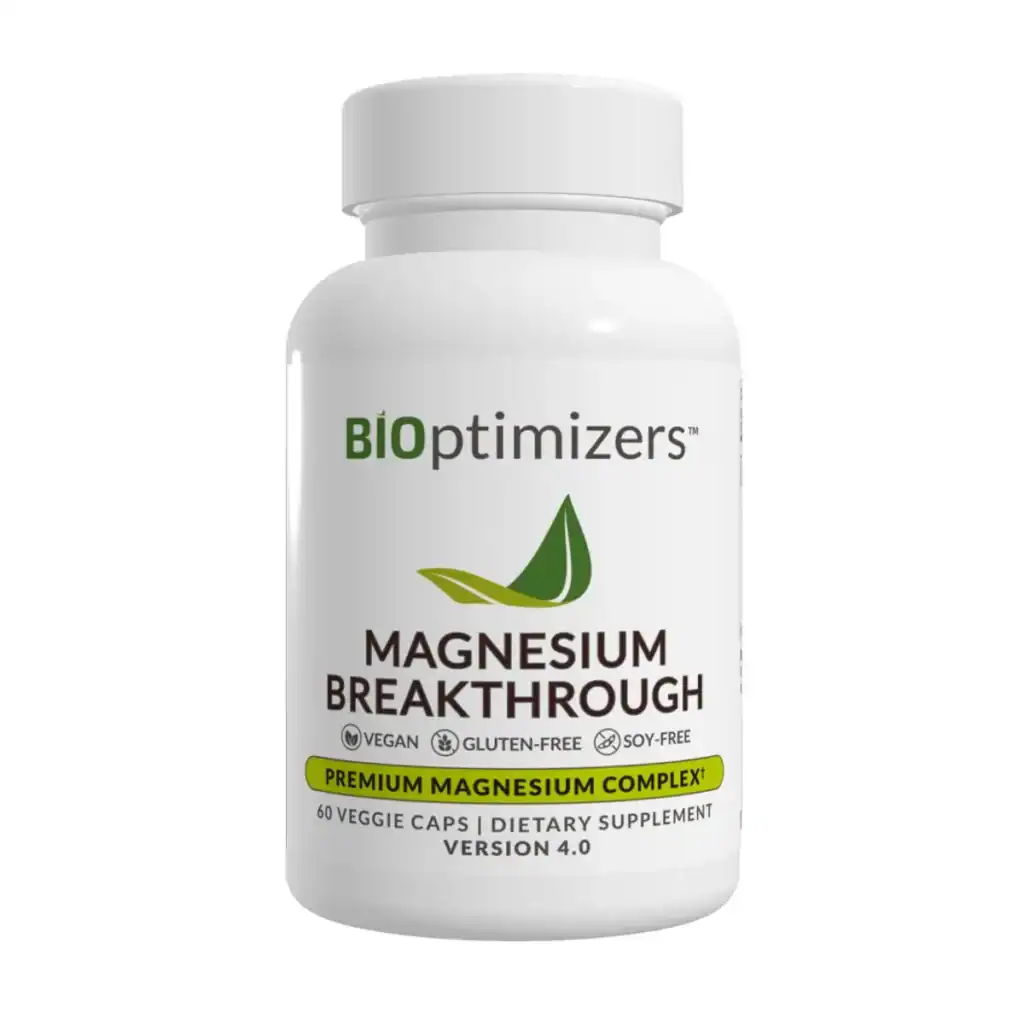
- Smart micronutrition, especially the different types of magnesium
Let’s break it down.
1. Recovery: The Real Growth Phase
Lifting weights causes tiny injuries in muscle tissue — and the recovery process is where your body fixes those injuries and builds stronger fibers in response.
This repair process is known as muscle protein synthesis. If you’re not recovering properly, your body can’t complete that cycle — which means no gains, no matter how intense your workouts are.
Bottom line: you don’t grow in the gym — you grow while you rest.
2. Protein: More Than Just a Post-Workout Shake
Protein is the foundation of muscle repair. But many people still think slamming one shake after lifting is enough.
In reality, timing and distribution of protein intake throughout the day is key to keeping muscle protein synthesis active.
What to aim for:
- 1.6 to 2.2g of protein per kilogram of body weight per day
- Split across 3 to 5 protein-rich meals/snacks to maintain anabolic response
- Include slow-digesting protein before bed (like casein or a balanced whole-food snack) to fuel overnight repair
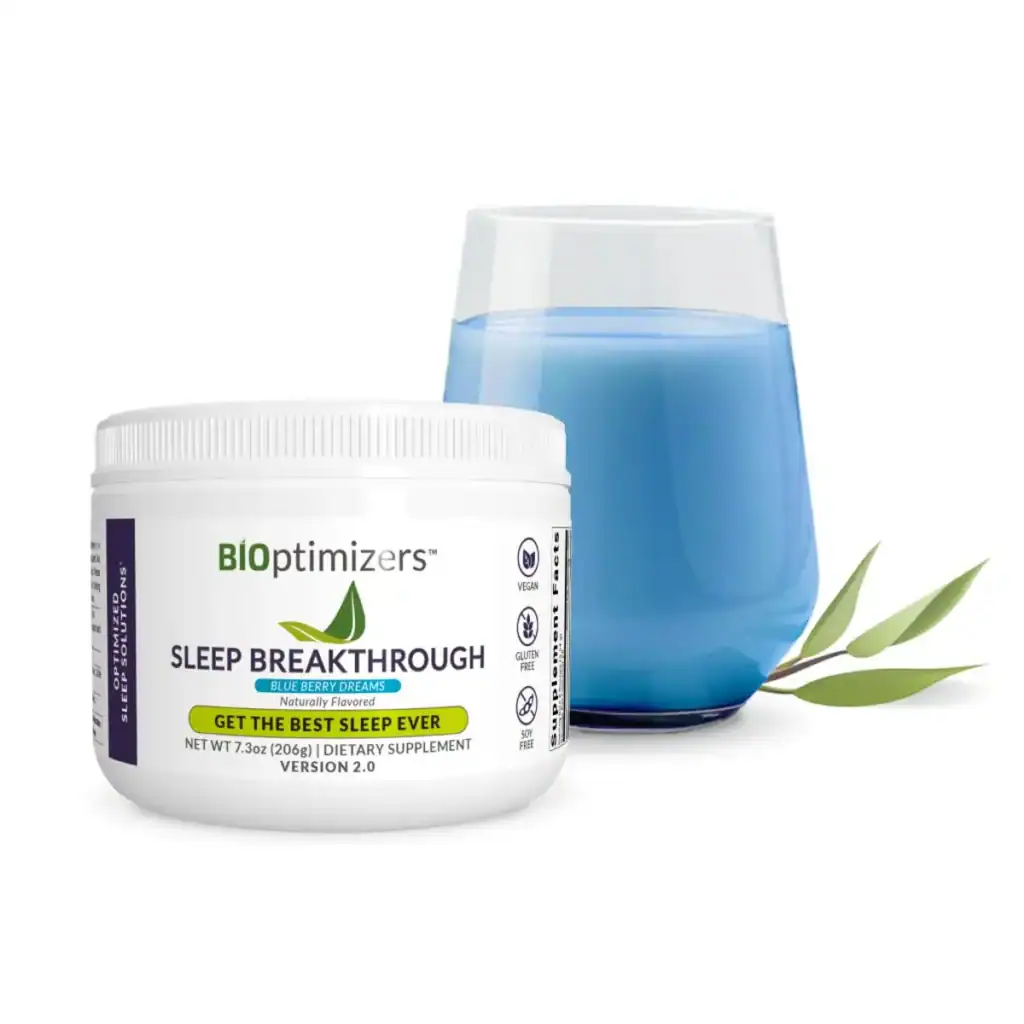
3. Sleep: Your Natural Muscle-Building Window
Sleep isn’t just rest — it’s one of the most anabolic phases your body experiences.
During deep sleep (especially in the first few hours), your body releases natural growth hormone (GH) — a powerful compound that:
- Increases protein synthesis
- Boosts fat metabolism
- Supports tissue regeneration
If you’re not sleeping well, you’re literally shutting off one of your biggest growth switches.

Pro tips for better muscle-building sleep:
- Get 7–9 hours of quality sleep per night
- Cut screens 1 hour before bed (blue light delays melatonin)
- Keep your room cool, dark, and quiet
- Consider natural sleep aids like magnesium and glycine
4. Magnesium: The Micronutrient That Supercharges Recovery
Magnesium is involved in over 300 enzymatic reactions in the body, including those tied to:
- Muscle relaxation and contraction
- Nervous system balance
- Sleep quality
- Hormonal regulation
Most athletes are deficient without knowing it — and your recovery suffers as a result.
Not all magnesium is the same. Here’s what to know:
- Magnesium Glycinate – excellent for calming the nervous system and improving sleep
- Magnesium L-Threonate – crosses the blood-brain barrier, supports cognition and deep sleep
- Magnesium Malate – supports energy production and post-exercise recovery
- Magnesium Citrate – commonly used and affordable, with mild laxative effects
- Magnesium Bisglycinate – highly bioavailable and gentle on digestion
Smart stacking (e.g., glycinate at night + malate in the morning) can make a noticeable difference in performance and rest.
5. Recovery Nutrition: Beyond Protein
Muscle recovery doesn’t stop at protein and magnesium.
A well-rounded recovery plan includes micronutrients and anti-inflammatory foods that support tissue repair and hormone balance.
Key players:
- Zinc – supports testosterone production and immunity
- Vitamin D – crucial for muscle strength and protein synthesis
- Omega-3s – help manage inflammation and accelerate recovery
- Complex carbs – refill glycogen stores and reduce cortisol spikes post-workout
Final Thoughts: Train Hard, Recover Harder
Recovery isn’t lazy — it’s strategic.
If you’re training with intention, you need to recover with intention too.
That means dialing in your protein timing, getting serious about your sleep hygiene, and leveraging smart nutrients like magnesium to unlock your body’s full muscle-building potential.
Because in the end, your growth isn’t decided by your workout — it’s decided by what you do after.