When it comes to weight management, improving body composition is rarely about one single ingredient. A balanced diet, regular physical activity, adequate sleep, and sustainable habits remain the foundation. However, some people are also interested in supplements that may provide additional metabolic and appetite support.
One of the ingredients that has attracted considerable attention is berberine.
Berberine is a naturally occurring plant compound found in plants such as barberry, goldenseal, and Oregon grape. Research has investigated its potential effects on several aspects of metabolic health, including blood sugar regulation, blood lipids, and body-weight-related measures.
But what does the research actually tell us? And how does a traditional oral berberine supplement compare with newer berberine patches?
What Is Berberine?
Berberine is an alkaloid that has a long history of use in traditional medicine. Modern research has focused particularly on its relationship with metabolic pathways.
One pathway frequently discussed in berberine research is AMP-activated protein kinase (AMPK), an enzyme involved in cellular energy regulation. Berberine has been studied for its potential influence on glucose metabolism, insulin sensitivity, lipid metabolism, and other metabolic processes.
That doesn’t mean berberine is a magic weight-loss ingredient. Instead, its potential value may come from supporting several metabolic processes at the same time.
Where Does Berberine Come From?
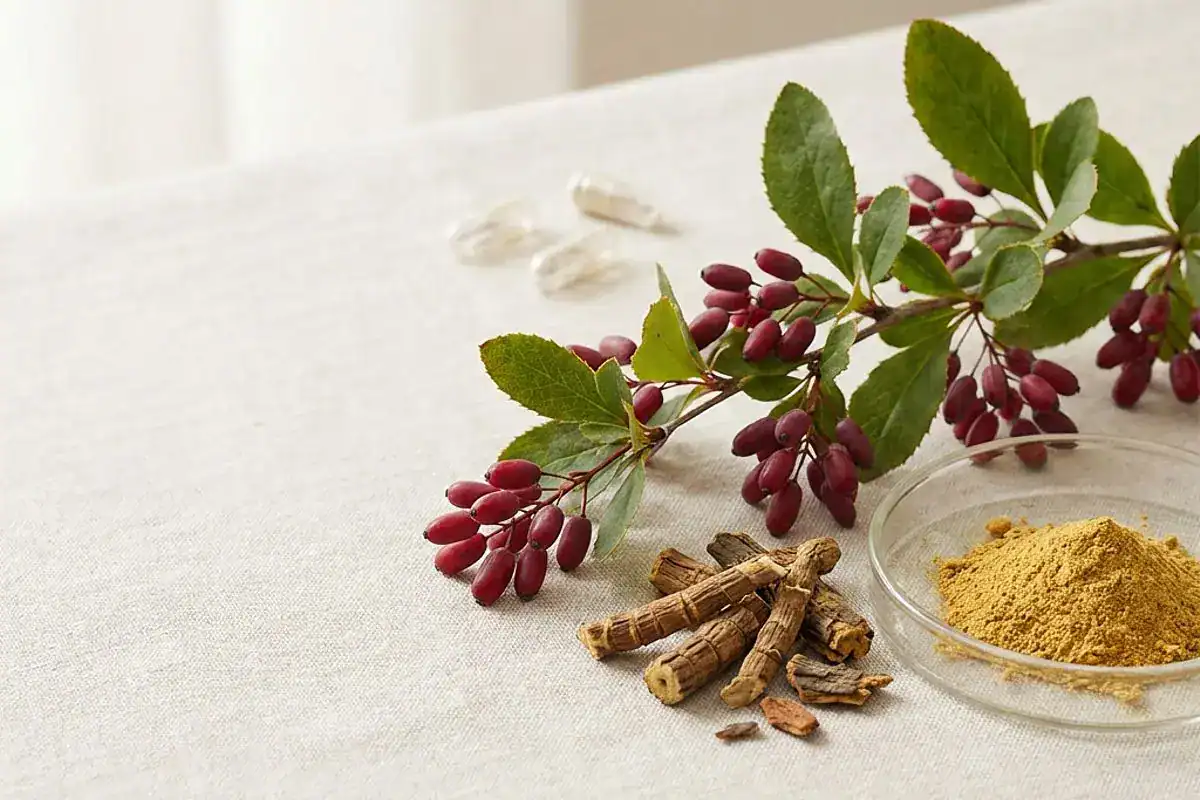
Berberine is a naturally occurring plant compound, not a plant itself. It belongs to a group of compounds called alkaloids and can be found in several plants, including species of Berberis, Coptis, and Hydrastis. One well-known source is Berberis vulgaris, commonly known as European barberry.
Traditionally used in herbal practices, these plants contain berberine primarily in their roots, rhizomes, stems, and bark. Today, concentrated berberine is commonly extracted and formulated into dietary supplements.
Potential Benefits of Berberine
1. Weight-Management Support
Weight management is one of the most popular reasons people consider berberine.
A 2026 systematic review and meta-analysis of 23 randomized controlled trials found that berberine supplementation was associated with modest reductions in body weight, BMI, and waist circumference. The researchers also noted that future studies should improve reporting around factors such as product purity, potency, and dosage.
Earlier reviews have produced mixed results. Some found improvements in BMI or waist circumference, while others found little or no significant change in body weight. This is an important reminder that the potential effect appears to be modest and variable, rather than comparable to pharmaceutical weight-loss treatments.
For someone who exercises regularly, this distinction matters. Berberine should be viewed as a possible component of a broader weight-management strategy—not as a substitute for training or a calorie-controlled diet.
2. Metabolic Health and Blood Sugar Support
Berberine has also been studied for its potential effects on glucose metabolism and insulin resistance.
Research suggests that berberine may help support healthy blood sugar regulation, although the evidence varies depending on the population, dose, formulation, and study design.
For people interested in improving body composition, metabolic health can be an important part of the bigger picture. Maintaining healthy glucose and insulin responses may complement an active lifestyle and balanced nutrition.
However, people who take medications that affect blood sugar should speak with a healthcare professional before using berberine because interactions are possible.
3. Appetite and Craving Support
Appetite control is another reason berberine has become popular in the weight-management space.
Some commercial products position berberine as a way to support satiety and reduce food cravings. The Purisaki Berberine Patch, for example, is specifically marketed around appetite and craving control, with a slow-release, all-day-wear format.
It’s important, however, to distinguish product marketing claims from established clinical evidence. The strongest human evidence for berberine’s metabolic effects comes from studies of oral supplementation, and it cannot automatically be assumed that a transdermal patch produces the same effects.
4. Potential Support for Healthy Cholesterol Levels
Berberine has also been investigated for its effects on blood lipids, including cholesterol.
An umbrella review of systematic reviews found evidence of effects on blood glucose, insulin resistance, blood lipids, body parameters, and inflammatory markers, although the authors also emphasized the need for higher-quality research.
This makes berberine particularly interesting for people who are looking at weight management from a broader metabolic-health perspective rather than focusing only on the number on the scale.
What Are the Possible Side Effects of Oral Berberine?
Natural doesn’t automatically mean risk-free.
The most commonly reported side effects of oral berberine are gastrointestinal, including:
- Nausea
- Abdominal discomfort
- Bloating
- Constipation
- Diarrhea
These effects are generally associated with taking berberine by mouth and may vary from person to person.
Berberine may also interact with certain medications, particularly medications that affect blood sugar or blood pressure. Anyone taking prescription medications should discuss supplementation with a qualified healthcare professional before adding berberine to their routine.
Pregnant or breastfeeding individuals should also consult a healthcare professional before using berberine, as safety information for these groups is limited.
As with any supplement, following the manufacturer’s directions and avoiding excessive doses is important.
Berberine Capsules vs. Berberine Patches
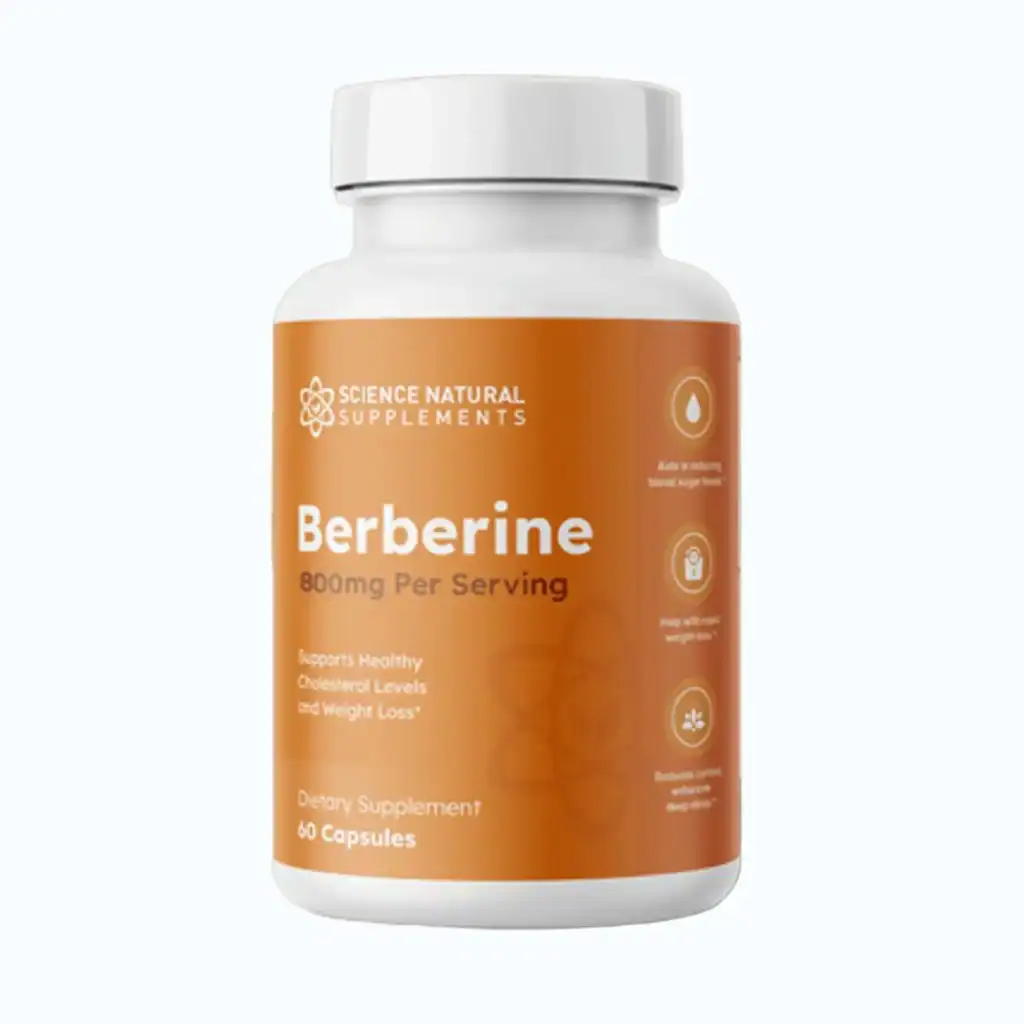
Traditionally, berberine has been consumed orally, usually in capsule or tablet form.
A newer alternative is the berberine patch, which is designed to deliver ingredients through the skin rather than through the digestive system.
One example available through Your Shop Network is the Purisaki Berberine Patch. According to its product information, the patch is designed for gradual release and contains berberine along with other ingredients, including fucoxanthin, pomegranate extract, green tea extract, African mango extract, vitamin C, vitamin B1, and vitamin B3.
The manufacturer describes the patch as a convenient, discreet option intended to support appetite control and weight-management habits. It is designed to be worn for approximately eight hours and then replaced according to the product’s instructions.
Why Might Someone Prefer a Patch?
The biggest potential advantage of a patch is convenience.
Instead of remembering to take capsules with meals, a patch can become part of a simple morning routine. Purisaki describes its format as a slow-release, all-day approach that can be applied to clean, dry skin and worn discreetly.
A patch may also appeal to people who dislike swallowing capsules or who prefer not to take another oral supplement during the day.
Another potential consideration is gastrointestinal tolerance. Because a patch does not deliver its ingredients through the digestive tract in the same way as an oral supplement, some consumers may find the format more comfortable.
However, this should not be interpreted as proof that patches eliminate the gastrointestinal side effects associated with oral berberine. Transdermal delivery has different pharmacokinetic considerations, and the evidence supporting oral berberine should not automatically be transferred to a patch.
An Important Difference: The Evidence
This is perhaps the most important distinction to understand.
Most of the clinical research discussed in connection with berberine—including research examining weight, BMI, waist circumference, glucose, and cholesterol—has involved oral berberine supplementation.
A berberine patch is a different delivery system.
The Purisaki product is marketed as a transdermal, slow-release formula, but its formulation also includes several additional ingredients. Therefore, consumers should not assume that wearing the patch is clinically equivalent to taking a specific oral dose of berberine.
In other words, the patch is best viewed as an alternative supplement format, not as a proven replacement for the oral formulations used in clinical research.
Which Option Makes More Sense for You?
There isn’t one universal answer.
Oral Berberine May Appeal to You If You:
- Prefer a traditional capsule or supplement format
- Want a form of berberine more directly represented in clinical research
- Are comfortable taking supplements with your daily meals
- Want to follow a specific oral supplementation protocol recommended by a healthcare professional
A Berberine Patch May Appeal to You If You:
- Prefer a simple, discreet daily routine
- Don’t like swallowing capsules
- Want to try a transdermal delivery format
- Prefer a formula that combines berberine with additional plant-based ingredients
- Value convenience and all-day wear
For consumers interested in exploring either option, Your Shop Network features both oral berberine supplements and berberine patch products, allowing shoppers to compare formats and choose the option that best fits their lifestyle.
The Bottom Line
Berberine is an intriguing natural compound with a growing body of research behind it. Studies suggest that it may provide modest support for body weight, BMI, waist circumference, blood sugar regulation, and lipid metabolism, although the quality and consistency of the evidence varies.
For someone working toward a lower body-fat percentage, the most realistic approach is to think of berberine as a potential supporting tool, not a shortcut. Consistent exercise, appropriate nutrition, sufficient protein, quality sleep, and a sustainable calorie balance remain far more important to long-term body-composition results.
If oral berberine causes digestive discomfort or simply doesn’t fit your routine, a patch format may be an appealing alternative to explore. Just remember that research on oral berberine should not automatically be interpreted as evidence for the effectiveness of transdermal products.
Whether you choose capsules, a patch, or no supplement at all, the goal should be the same: find an approach that fits your routine and supports healthy, sustainable habits.
Frequently Asked Questions About Berberine
Berberine is a naturally occurring plant compound that has been studied for its potential effects on metabolic health, including blood sugar regulation, insulin sensitivity, blood lipids, and weight-related measures. Research suggests that its effects on body weight may be modest and can vary between individuals.
Research suggests that berberine may provide modest support for weight management, including possible reductions in body weight, BMI, and waist circumference. However, it should not be considered a standalone weight-loss solution. A balanced diet, regular exercise, and sustainable lifestyle habits remain the foundation of healthy weight management.
Berberine has been investigated for its potential effects on body weight and metabolic health, but evidence specifically demonstrating substantial body-fat reduction is limited. For reducing body fat, a consistent nutrition and exercise strategy remains much more important than any individual supplement.
The most commonly reported side effects of oral berberine are digestive in nature. These may include nausea, abdominal discomfort, bloating, constipation, or diarrhea. Individual tolerance can vary.
Berberine is generally used as a dietary supplement, but daily use may not be appropriate for everyone. It can interact with certain medications and may affect blood sugar and blood pressure. Anyone taking medication or managing a medical condition should consult a healthcare professional before using berberine.
Capsules deliver berberine orally and represent the form most commonly studied in clinical research. Berberine patches use transdermal delivery and are designed to provide a convenient alternative to oral supplementation. Because the delivery methods are different, research on oral berberine should not automatically be interpreted as evidence that patches produce the same effects.
There is currently not enough evidence to say that berberine patches are better than oral berberine. Patches may be appealing because of their convenience and discreet application, while oral berberine has a larger body of clinical research behind it. The best option depends on individual preferences, tolerance, and professional guidance.
People who exercise regularly may choose berberine as part of a broader approach to metabolic and weight management. However, berberine should complement—not replace—a well-structured exercise program, adequate nutrition, and recovery.
There is no guaranteed timeline. Studies examining berberine and weight-related outcomes have generally evaluated supplementation over several weeks or months rather than producing immediate results. Individual responses can vary considerably.
Berberine should not be viewed as a conventional fat burner or stimulant-based thermogenic. Its potential relevance to weight management is more closely associated with metabolic processes such as glucose and lipid metabolism. Its effects on body composition, when they occur, appear to be modest.